Australia’s Jobs Most Likely to Decline by 2050
Australia’s labour market is changing rapidly. Advances in technology and artificial intelligence (AI) are reshaping how work is done. Rather than eliminating all roles, this shift is altering task composition, job demand and industry structures across the economy.
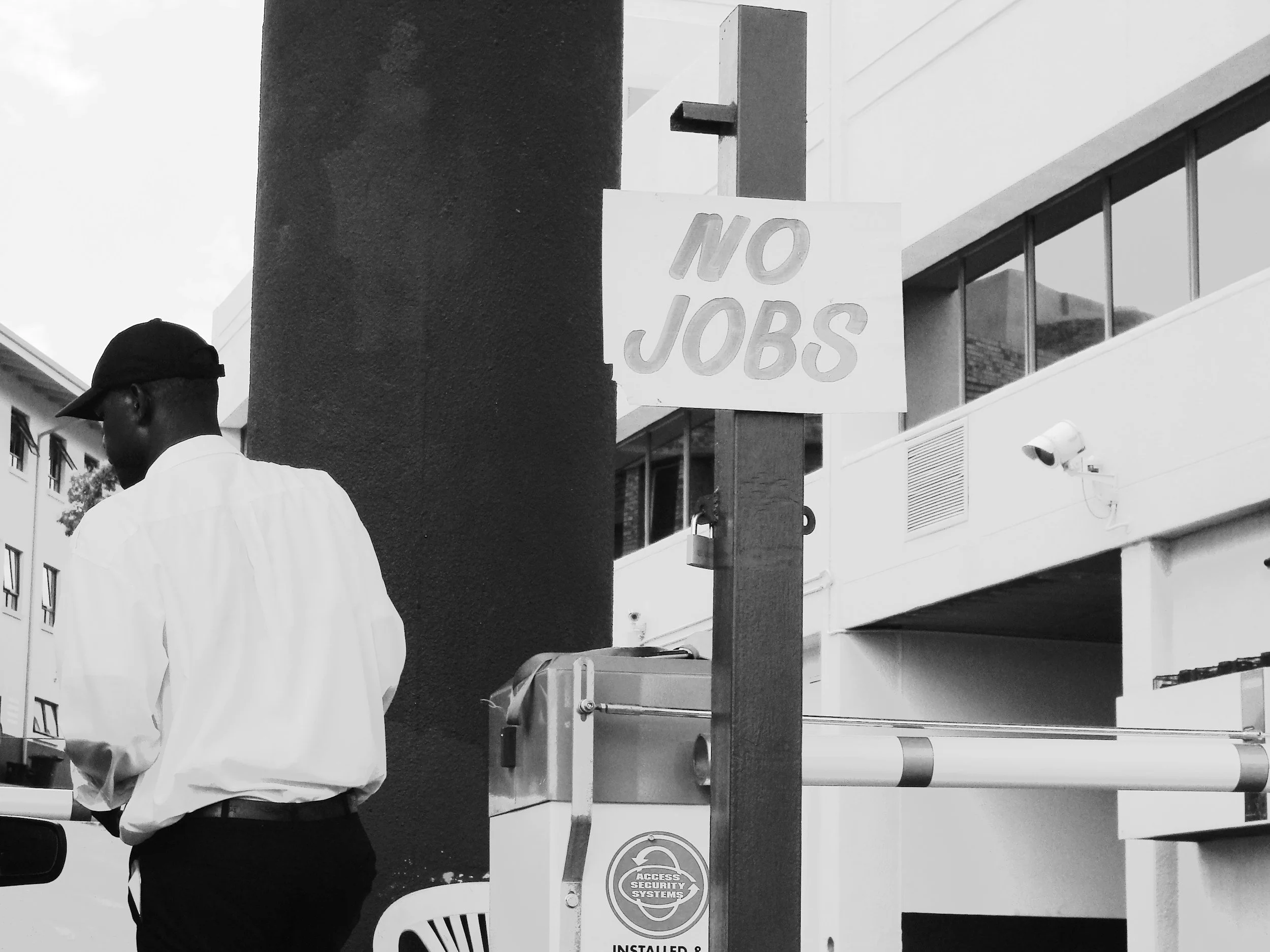
Australia’s future job market rewards adaptability over job titles
Government modelling from Jobs and Skills Australia’s landmark Our Gen AI Transition report shows that while AI will mostly augment jobs, certain occupations and industries are at higher risk of employment declines by 2050, especially where tasks are routine and predictable.
Understanding which jobs may lose employment is critical for workers, educators and policymakers planning careers, training and workforce strategies in 2026 and beyond.
Why Some Jobs Are Projected to Decline
Generative AI and digital automation have the greatest potential impact on jobs that involve structured, repetitive tasks that technology can perform efficiently. According to the government’s AI exposure analysis, automation potential is concentrated in routine roles, even though most jobs are more likely to be augmented than fully automated.
That means AI tools will increasingly take on tasks like data processing, scheduling and information handling, reducing the demand for human labour in those specific functions.
Occupations Predicted to Lose Employment by 2050
Here are the key occupations where employment is projected to decline in Australia, based on the latest national modelling by Jobs and Skills Australia and corroborated by broader employment research:
Sales, Marketing and Public Relations Professionals
Traditional marketing roles that revolve around routine reporting and standardised content creation are increasingly being supported or replaced by AI tools that can draft campaigns, summarise performance data and automate customer targeting. As a result, overall demand for these roles is expected to shrink.
General Clerks
Clerical work is highly exposed to automation because it involves repetitive administrative tasks. Roles focused on data entry, document processing and basic office functions rank among the highest in exposure potential.
Receptionists
Automated customer service systems, AI-powered booking tools and virtual reception assistants are replacing many traditional front desk functions, especially in health administration, professional services and corporate offices.
Accounting Clerks and Bookkeepers
Automated accounting software has already reduced demand for roles centred on transaction processing, reconciliation and low-level bookkeeping. Forecasts indicate this trend will continue through 2050.
Business and Systems Analysts, and Programmers
Even in technical occupations, routine coding and system tasks are being automated or AI-assisted. That means growth is shifting toward higher-order strategy, design and governance roles, while basic programming and analysis are expected to face relative declines.
Industries With Predicted Employment Declines
Several sectors are expected to see their share of total employment fall as work becomes more digitally automated. Government modelling highlights:
Professional, scientific and technical services
Retail trade
Financial and insurance services
Public administration and safety
Rental, hiring and real estate services
These industries have high levels of routine task content that AI and software automation can replicate or augment.
What ‘Job Loss’ Really Means in 2026 Planning
It’s important to understand that a projected decline does not mean these jobs will disappear entirely. Instead:
Many roles will evolve rather than vanish
Workers may shift into hybrid roles blending human and AI strengths
Productivity gains could create new jobs even as routine tasks are automated
Australian government research stresses that automation is more likely to change how jobs are done than to eliminate them outright.
In fact, nearly nine out of ten Australian jobs have medium-to-high exposure to AI augmentation, suggesting workers will need new digital and adaptive skills, not less work overall.
What This Means for Career and Education Planning
For students, employees and jobseekers, this means:
Focus on skills that AI cannot easily replicate, such as leadership, complex problem solving and emotional intelligence
Invest in lifelong learning and digital capability development
Prepare for careers that blend human judgement with technological tools
Australian workforce trends and public reports emphasise the importance of upskilling and reskilling as part of economic transitions.
References
Jobs and Skills Australia, Our Gen AI Transition, government AI exposure and adoption study. Jobs and Skills Australia
Jobs and Skills Australia, Our Gen AI Transition – Exposure analysis on automation potential. Jobs and Skills Australia
Jobs and Skills Australia, Our Gen AI Transition – Skills report on digital capability and workforce change. Jobs and Skills Australia
Reserve Bank of Australia, Technology Investment and AI insights, on AI’s labour market effects. Reserve Bank of Australia
Information Age (ACS), Aussie jobs most vulnerable to AI outlined in govt study, occupation exposure analysis. Information Age
Jobs and Skills Australia, Industry AI exposure data, insights on sector transformation. Jobs and Skills Australia